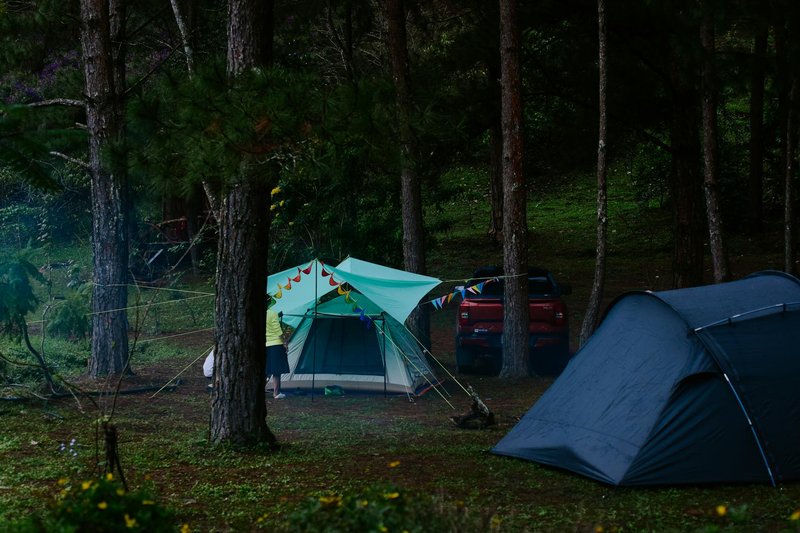
National forest camping is one of the best-kept secrets in the outdoor world. Across the United States, the Forest Service manages over 193 million acres of public land, and much of it is open to USFS dispersed camping at no cost. If you've only ever camped at developed campgrounds with numbered sites and fee stations, you're in for a treat. Free forest camping puts you closer to nature, away from crowds, and completely in charge of your own experience.
But heading out for the first time can feel intimidating. Where exactly can you camp? How long can you stay? What do you need to bring? This guide covers everything a first-timer needs to know about dispersed camping on national forest land.
What Is USFS Dispersed Camping?Dispersed camping simply means camping outside of a designated, developed campground. There are no picnic tables, no fire rings, no restrooms, and no fees. You find a spot on national forest land that allows camping, set up your tent or park your vehicle, and enjoy the solitude. It's sometimes called "primitive camping," "boondocking," or "wild camping," though each term has its own nuances.
The U.S. Forest Service generally allows dispersed camping throughout national forests unless an area is specifically closed or restricted. That's the default rule, and it's a generous one. However, each national forest can set its own regulations, so checking the local ranger district's rules before you go is always a smart move.
How to Find National Forest Camping SitesFinding a great dispersed campsite takes a little more effort than booking a spot on a reservation website, but the payoff is worth it. Here are the most reliable ways to find your next site:
Use the Dispersed app. We built Dispersed specifically to help campers discover free and low-cost camping spots on public land. You can search by location, read reviews from other campers, and get directions to sites that might not show up on a standard map.
Check the Motor Vehicle Use Map (MVUM). Every national forest publishes a Motor Vehicle Use Map that shows which roads are open to public travel. Dispersed camping is typically allowed along these open roads. You can download MVUMs for free from the Forest Service website or pick one up at a ranger station.
Call the local ranger district. When in doubt, a quick phone call to the ranger district office can save you a lot of guesswork. Rangers can tell you about current closures, fire restrictions, and popular dispersed areas. They're usually happy to help.
Look for established pulloffs and fire rings. Once you're driving forest roads, keep an eye out for clearings, flat spots, and existing fire rings. These are signs that others have camped there before and the area is generally accepted for dispersed use.
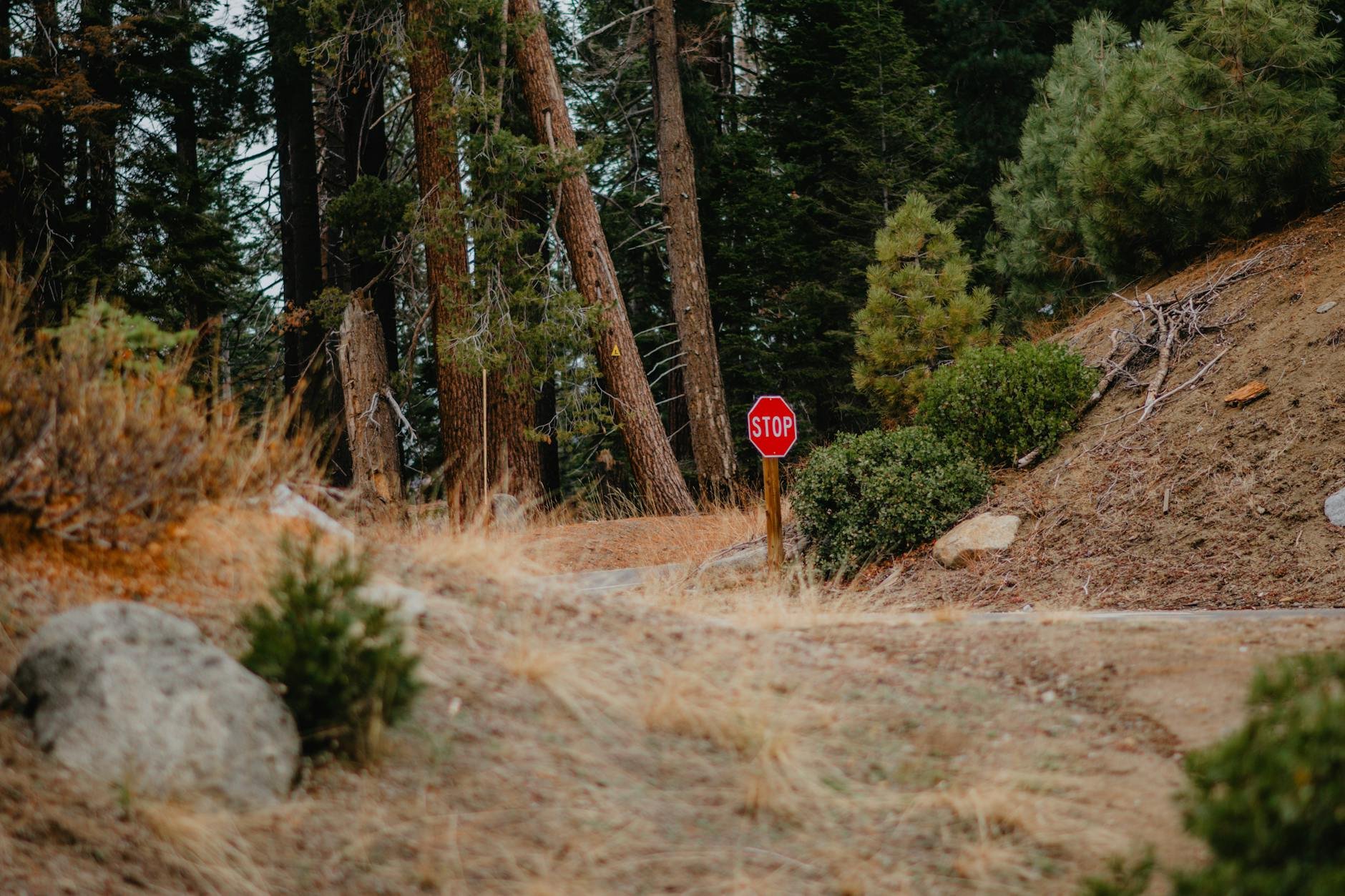 Rules and Regulations for Free Forest Camping
Dispersed camping comes with a lot of freedom, but there are still rules to follow. These exist to protect the land and keep things fair for everyone.
Stay limits. Most national forests enforce a 14-day stay limit within a 30-day period. That means you can camp in one spot for up to two weeks, but then you need to move at least a few miles away (often 5 or more, depending on the forest). Some forests have shorter limits, especially in popular areas, so always verify the local rules.
Distance from water. Camp at least 100 to 200 feet from any lake, river, or stream. This protects water sources and riparian habitats. It also keeps your campsite drier and less buggy.
Fire regulations. Campfire rules vary widely by forest and season. During dry months, many forests issue fire restrictions or full fire bans. Always check current conditions before building a fire. When fires are allowed, use an existing fire ring if one is available, keep your fire small, and make sure it's completely out before you leave.
Pack it in, pack it out. There are no trash cans in dispersed camping areas. Everything you bring in must leave with you, including food waste, toilet paper, and any other garbage. Leave your site cleaner than you found it.
Human waste. Without restroom facilities, you'll need to dig a cathole for solid waste. Dig 6 to 8 inches deep, at least 200 feet from water, trails, and camp. Some forests in sensitive areas require you to pack out all waste using a WAG bag. Check the local regulations.
Essential Gear for Your First Dispersed Camping TripSince you won't have the amenities of a developed campground, you'll want to come prepared. Here's what to add to your standard camping checklist:
Water. Bring more than you think you need. There's no spigot at a dispersed site. Carry at least one gallon per person per day, and consider bringing a water filter or purification tablets if you'll be near a natural water source.
A camp trowel. For digging catholes. A small, lightweight trowel makes this task much easier than improvising with a stick or rock.
Fire-starting supplies and a camp stove. Even if campfires are allowed, a portable camp stove is a reliable backup for cooking. Bring matches, a lighter, and fire-starting material if you plan to have a campfire.
Navigation tools. Cell service can be unreliable on forest roads. Download offline maps before you leave, and carry a paper map of the area. The MVUM is especially useful for navigating forest road systems.
Trash bags. Bring extra bags for packing out all your waste. A dedicated "trash bag" system keeps your vehicle and campsite organized.
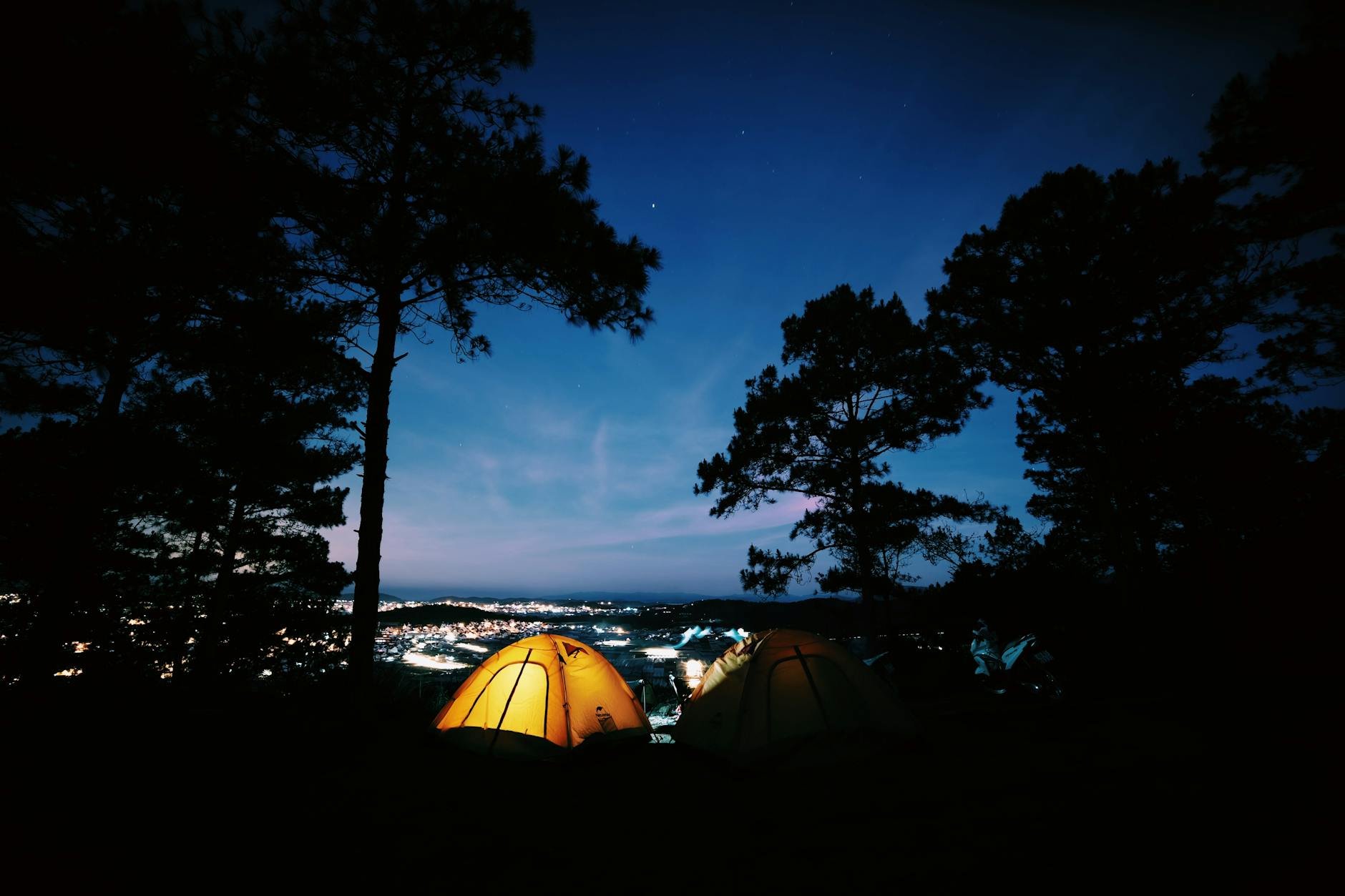 Tips for a Great First Experience
Your first dispersed camping trip doesn't need to be an epic backcountry expedition. Start simple and build confidence over time.
Start close to home. Pick a national forest within a few hours' drive so you're not committing to a long journey on your first outing. If something goes wrong or you forget a piece of gear, it's easy to adjust.
Arrive early. Dispersed sites are first-come, first-served. Arriving in the early afternoon gives you plenty of daylight to scout spots and set up camp. Trying to find a site after dark on an unfamiliar forest road is no fun.
Have a backup plan. Your ideal spot might already be taken, or a road might be closed due to weather or logging. Always have a second and third option in mind. The Dispersed app is helpful for scouting alternatives ahead of time.
Practice Leave No Trace. Dispersed camping relies on shared responsibility. If too many people leave trash or damage vegetation, the Forest Service may close areas to camping. Follow Leave No Trace principles, and encourage others to do the same. The goal is to leave your site looking like nobody was ever there.
Be self-sufficient. There's no camp host to ask for help and no store down the road. Bring everything you need, know basic vehicle recovery if you're on rough roads, and let someone know your plans before you head out.
Why Dispersed Camping Is Worth ItThere's something deeply rewarding about finding your own spot in the forest, setting up camp under the trees, and knowing that the nearest neighbor is probably a mile away. Dispersed camping connects you to public land in a way that a crowded campground loop simply can't match. It's quieter, more flexible, and completely free.
Once you try it, you might find it hard to go back to reserving a spot six months in advance and listening to your neighbor's generator all night. National forest camping is accessible to almost everyone, and with a little preparation, even a total beginner can have an incredible experience.
Ready to find your first dispersed campsite? Browse free camping spots on Dispersed and start planning your next adventure.